Global context
In 2024, there were an estimated 2.4 million women diagnosed with breast cancer and 694 000 deaths globally (1). Breast cancer occurs in every country of the world in women at any age after puberty but with increasing rates in later life. Global estimates reveal striking inequities in the breast cancer burden according to human development. For instance, in countries with a very high Human Development Index (HDI), 1 in 12 women will be diagnosed with breast cancer in their lifetime and 1 in 71 women die of it.1
In contrast, in countries with a low HDI, 1 in 27 women will be diagnosed with breast cancer in their lifetime and 1 in 48 women die from it.1
Breast cancer caused an estimated 694 000 deaths globally in 2024 and was the most common cancer in women in 164 countries out of 186 in the same year.1
Approximately 80% of breast cancers occur in women with no specific risk factors other than sex and age.1
Approximately 0.5–1% of breast cancers occur in men.1
What breast cancer is
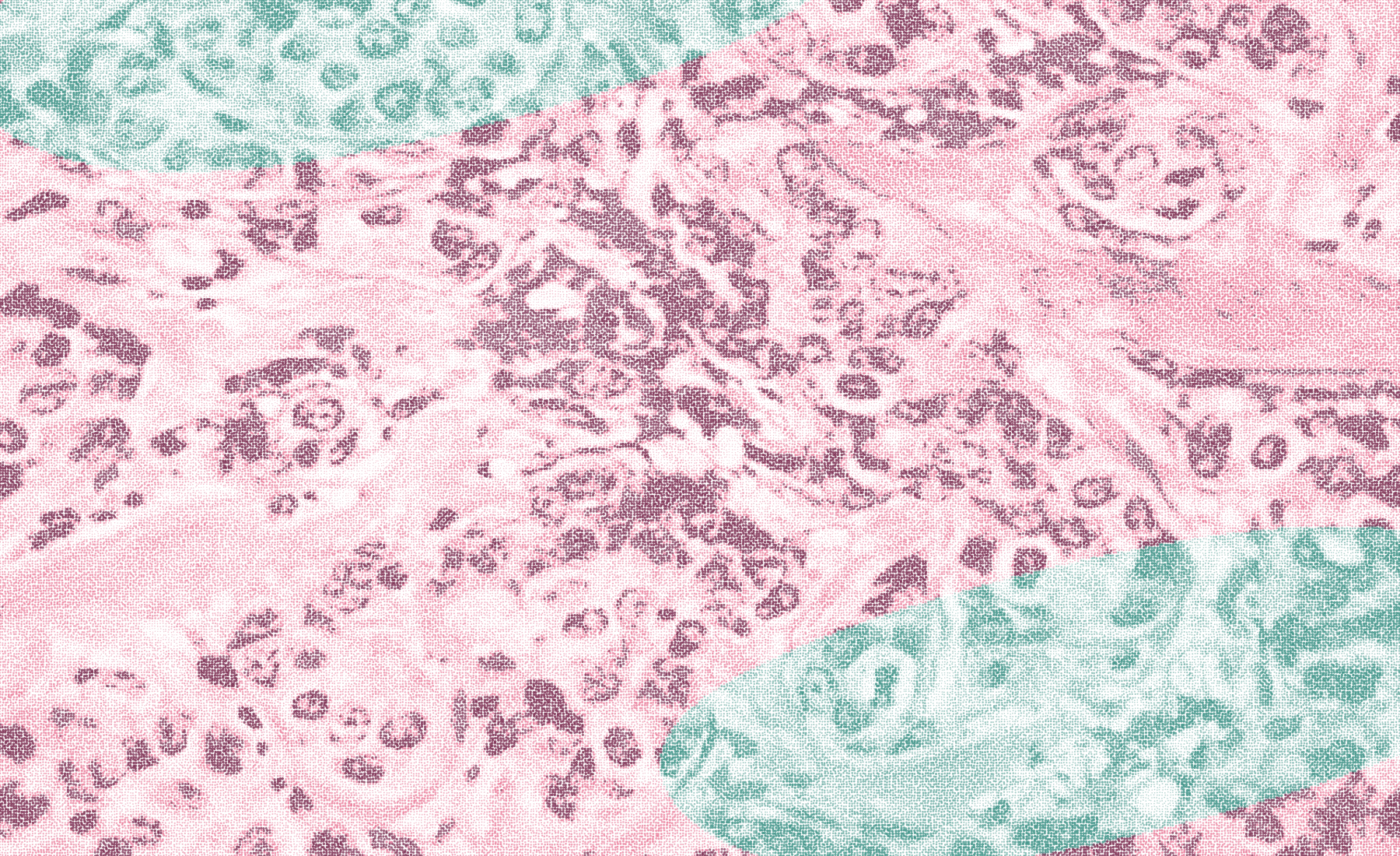
Breast cancer is a disease in which abnormal cells in the breast grow out of control and form tumours. If left unchecked, the tumours can spread throughout the body and become fatal.1
Breast cancer cells begin inside the milk ducts and/or the milk-producing lobules of the breast. The earliest form (in situ) is not life-threatening and can be detected in early stages. Cancer cells can spread into nearby breast tissue (invasion). This creates tumours that cause lumps or thickening.1
Invasive cancers can spread to nearby lymph nodes or other organs (metastasize). Metastasis can be life-threatening and fatal. Treatment is based on the person, the type of cancer and its spread. Treatment combines surgery, radiation therapy and medications.1
Education
Breast cancer in Uganda
In sub-Saharan Africa (SSA), breast cancer is the second leading cause of cancer-related morbidity and mortality among women after cervical cancer, with an estimated incidence rate of 33.8 per 100,000 women per year in the region [10, 11]. While the incidence of breast cancer in SSA remains lower than in many high-income settings, the case fatality rate is considerably higher, with pooled estimates of a 5-year survival average of only 40%–48% in SSA compared to over 90% in most HICs [2, 12]. The high mortality in SSA reflects late-stage diagnosis, limited access to diagnostic and treatment services and weak health system capacity for comprehensive cancer care [13, 14].9
Despite these ongoing efforts, 70%–80% of breast cancer cases in Uganda continue to be diagnosed at advanced stages, with 5-year survival rates as low as 20% [17, 18].9
Findings highlight that limited breast cancer awareness, misconceptions and sociodemographic disparities significantly affect women’s health-seeking behaviours for breast cancer in Uganda.9
Exposure to breast cancer survivors and targeted health education were found to positively influence screening uptake.9
UgandaWhat people say
Licences and reuse
Source: National Cancer Institute, cancer.gov. Unless otherwise indicated, all text within National Cancer Institute (NCI) products is free of copyright and may be reused without our permission.
World Health Organization, Breast cancer (fact sheet). Licence: CC BY-NC-SA 3.0 IGO. CC BY-NC-SA 3.0 IGO
Jatho Alfred et al. (2026), ecancer 20 2192. Creative Commons Attribution License (CC BY 4.0)